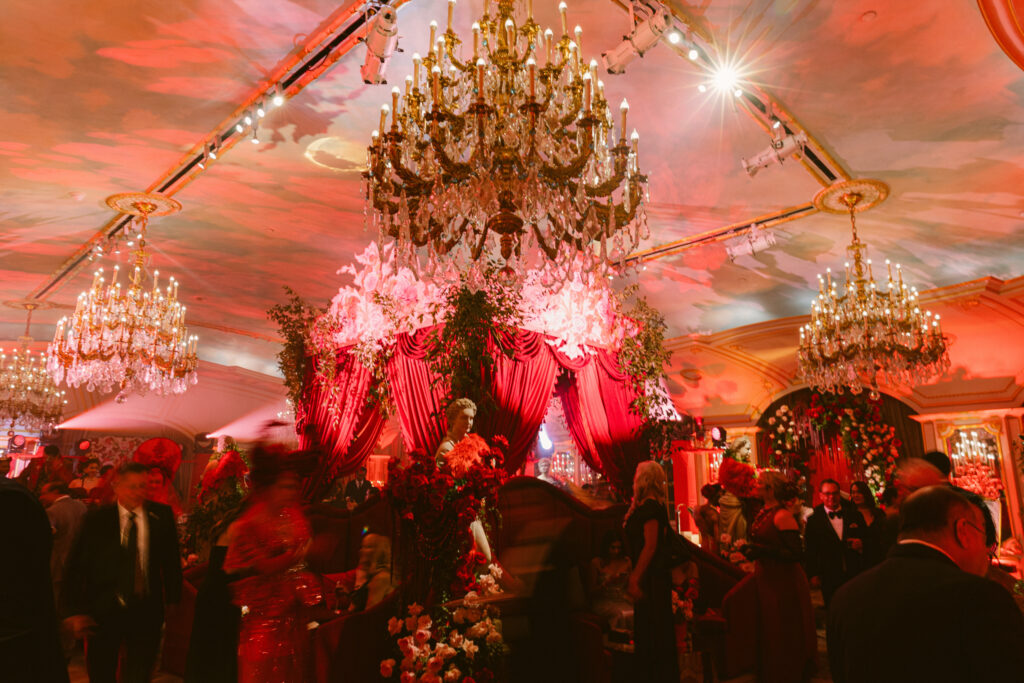
A wedding day may look effortless, but a truly seamless celebration takes a tremendous amount of planning behind the scenes. One of the most important relationships on a wedding day is the one between the wedding planner and photographer. When they communicate well and understand the couple’s vision, the entire day can feel more relaxed, intentional, and enjoyable for everyone, especially the couple.
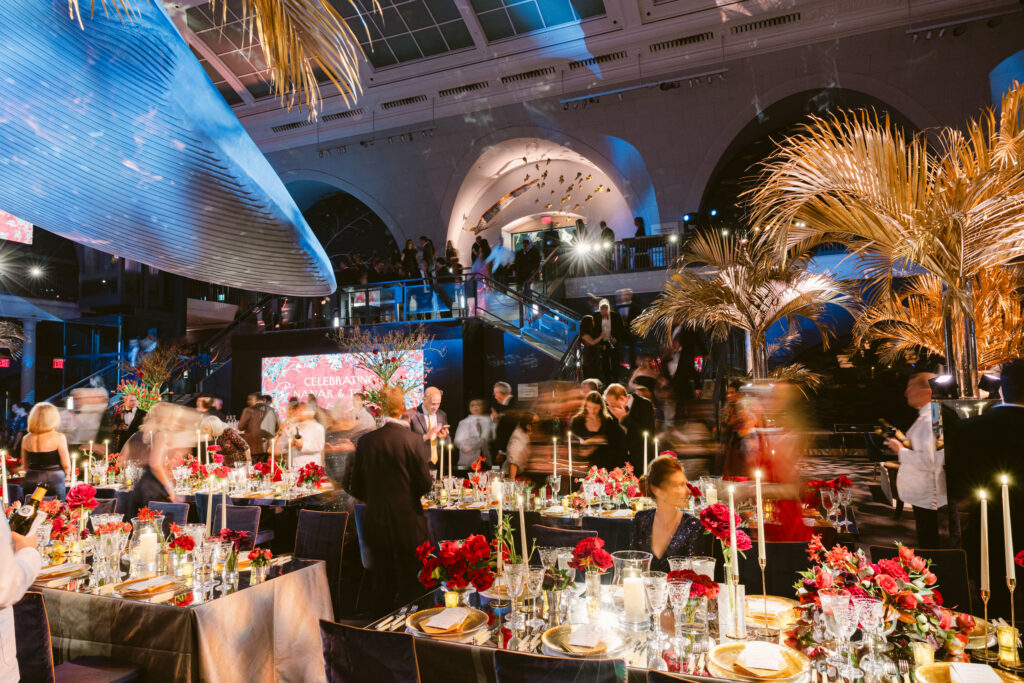
After photographing weddings for nearly two decades, I have learned that the best wedding days are rarely the ones where every minute goes exactly according to plan. They are the ones where the right people understand the plan well enough to adjust when something inevitably changes. That is where a great wedding planner and an experienced wedding photographer can make such a difference.
Why Hiring a Wedding Planner Can Be One of the Best Investments You Make
Planning a wedding involves so much more than choosing a beautiful venue, selecting flowers, and deciding what is for dinner. There are budgets to manage, contracts to review, vendors to coordinate, floor plans to create, transportation to arrange, guest logistics to consider, design decisions to make, timelines to build, and hundreds of small details that can easily become overwhelming.
For a couple planning a larger or more complex wedding, especially in New York City, the Hamptons, or at a destination venue, there can be a tremendous number of moving pieces. A good wedding planner brings experience and perspective to all of it. They can help couples understand where their budget will have the greatest impact, connect them with trusted vendors, develop a cohesive design, manage logistics, build a realistic wedding-day timeline, communicate with the vendor team, and solve problems before they ever reach the couple.
Perhaps most importantly, a planner gives the couple someone else to think about the logistics. You should be able to enjoy your wedding day without wondering whether the florist has arrived, whether transportation is on time, whether dinner is running behind, or whether your photographer knows that the ceremony has moved fifteen minutes. The goal is for you to be present with the people you love, and that is what a great planner helps make possible.
The Planner Sees the Entire Wedding. The Photographer Sees It Through a Different Lens.
One of the reasons I value working with planners so much is that we each see the wedding from a different perspective. The planner is looking at the entire event: the flow of guests, design, logistics, catering, entertainment, transportation, venue restrictions, timing, vendor arrivals, and the overall guest experience.
The photographer is thinking about all of that too, but through the lens of what needs to be photographed. Where will the light be? When will the room be completely set? How much time do we realistically need for family portraits? When should we photograph the couple alone? Is there an opportunity for a few quiet portraits during cocktail hour? Are there meaningful details, people, or moments that the couple specifically wants documented?
These are conversations that are incredibly valuable to have before the wedding day. A photographer should not simply receive a timeline a week before the wedding and figure it out from there. The photography timeline should work with the overall wedding timeline, not exist separately from it.
Why Communication Between the Planner and Photographer Matters
The planner and photographer are often working together throughout some of the most important transitions of the day. Getting ready leads into portraits, portraits lead into the ceremony, the ceremony leads into family photographs and cocktail hour, and cocktail hour leads into the reception. Throughout all of it, the schedule can shift.
Hair and makeup might run a little late. Transportation may take longer than expected. A family member may not be where they are supposed to be. The ceremony may start ten minutes late. The weather may suddenly change. These things happen. What matters is how the team responds.
Clear communication between the planner and photographer allows us to make adjustments without making the couple feel like anything is wrong. A quick conversation between the planner and photographer can sometimes save twenty minutes without the couple ever knowing there was an issue. That is what I mean when I talk about a seamless wedding day. It is not that nothing goes wrong. It is that the couple doesn’t have to carry the weight of every little thing that does.
Understanding the Couple’s Vision
This is perhaps the most important part of the planner-photographer relationship. Before I photograph a wedding, I want to understand what is important to my couple. Maybe they care deeply about photographs with their parents and grandparents. Maybe they want the reception space photographed before guests enter because they spent months designing every detail. Maybe they value fashion and want beautiful editorial portraits, or perhaps they care less about posed photographs and want the day to feel completely natural.
There may also be family dynamics that require a little extra thought or a particular person who absolutely needs to be photographed. These details matter, and the planner often has an incredible understanding of the couple’s priorities because they have been working with them throughout the planning process.
That information helps me photograph the wedding more thoughtfully. Likewise, I can share what I see from behind the camera and what will help us preserve the things that matter most to them. It becomes a collaboration. The planner helps me understand the bigger picture, and I can help the planner understand what we need photographically to preserve that vision.
Building a Photography Timeline That Actually Works
A wedding photography timeline should not simply be a list of times. It should account for how the day actually moves. If a couple wants beautiful family photographs, we need enough time to gather everyone, photograph the combinations efficiently, and still leave room for the couple to enjoy cocktail hour.
If the reception space is an important part of the design, I want to photograph it before guests enter and before the room begins to change. If the couple wants portraits at sunset, we need to know when that light will occur and protect a few minutes for them to step away from the reception. If the ceremony and reception are in different locations, transportation needs to be considered.
These decisions are much easier when the planner and photographer are communicating early. I often work with planners to make sure the photography portion of the timeline is realistic while still respecting the overall flow of the wedding. The planner knows the entire event, and I know how much time I need to create the photographs my clients are hoping for. Together, we can find the balance.
A Seamless Wedding Day Should Still Feel Like a Wedding Day
One thing I never want is for photography to take over the wedding. My job is not to turn your wedding into an eight-hour photoshoot. Your wedding day is about your marriage, your family, your friends, and the experience you have together.
There will be portraits, of course. There will be family photographs and beautiful images of the two of you, but there should also be plenty of time to actually experience the day. That is why working with a planner is so valuable. When the logistics are handled well, we can create space for the photographs without making the photographs feel like the entire day.
I can step in when I need to, guide when guidance is helpful, and then step back when the moment is better experienced naturally. The planner helps protect that experience from a logistical standpoint, while the photographer helps protect it from a storytelling standpoint.
The Best Vendor Teams Communicate Before the Wedding Day
Some of the most successful wedding days I have photographed have been the ones where the vendor team communicated well before we ever arrived. A planner who introduces the photography team, shares the couple’s priorities, discusses the venue logistics, and talks through the timeline creates a much stronger foundation for the day.
Likewise, an experienced photographer should communicate what they need rather than simply expecting the planner to figure it out. That can include photography coverage and arrival time, getting-ready locations, first-look timing, family portrait groupings, wedding party portraits, couple portrait time, reception detail photography, golden-hour portraits, ceremony restrictions, lighting considerations, transportation between locations, and any important people or moments that should not be missed.
The goal is not to create more work. It is to eliminate surprises. A shared understanding of the day allows every vendor to do their job better.
What Makes a Great Wedding Planner-Photographer Relationship?
For me, it comes down to trust. I want a planner to know that I am paying attention, thinking ahead, watching the timeline, aware of the light, and looking for the moments that matter. If something changes, I am going to stay calm and find a solution.
In return, I appreciate planners who communicate clearly, understand their clients deeply, and trust their creative partners to do what they do best. The strongest vendor relationships are not about one person being in charge. They are about everyone understanding their role and working toward the same goal.
That is when the day starts to feel effortless.
Why This Matters Even More for Luxury Weddings
Luxury weddings often involve more complexity, not simply more beautiful details. There may be multiple locations, elaborate floral installations, large guest counts, transportation, entertainment, custom design elements, multiple photographers and videographers, and a large vendor team.
The more moving pieces there are, the more important communication becomes. A luxury wedding should feel elevated to the couple and their guests, not stressful behind the scenes. That level of ease does not happen by accident. It comes from preparation, experience, communication, and a team that knows how to work together.
The Photographer’s Role in Creating a Calm Wedding Day
As a wedding photographer, I see my role as more than creating beautiful images. I want to be someone my clients can trust. I want to anticipate what is coming next, know where I need to be before I am needed there, understand what matters most to the couple, and work seamlessly with the planner and the rest of the vendor team so that the couple can stay present.
There is something very special about photographing a wedding when everyone on the team is working toward the same vision. The planner is managing the experience. The photographer is preserving it. And the couple gets to live it.
The Best Wedding Days Feel Effortless Because Someone Did the Work Beforehand
When guests arrive at a beautiful wedding and everything seems to flow naturally, they may never see the hours of planning behind it. They do not see the timeline revisions, the conversations between the planner and vendors, or the adjustments made when something runs late. They simply experience a wedding that feels beautiful, welcoming, and effortless.
That is the magic of a great wedding team. And for me, one of the most important partnerships within that team is the relationship between the wedding planner and photographer.
When we understand the couple, communicate openly, respect each other’s roles, and plan together, we can create something much more meaningful than a well-run wedding day. We can give the couple the freedom to actually be there for it.
And years later, when they look back at their photographs, they won’t just remember how beautiful everything looked. They will remember how it felt.